17
2025
-
01
Capsule House: A New Choice for Future Housing

With the rapid urbanization and the growing diversity of people's housing needs, capsule houses have emerged as an innovative residential solution, gradually attracting global attention. With their compact design and efficient use of space, capsule houses offer a completely new living experience. So, what exactly is a capsule house? Why has it gained popularity in recent years? What are the current challenges regarding its applicability? And what is the future outlook for this housing model?
1. What is a Capsule House?

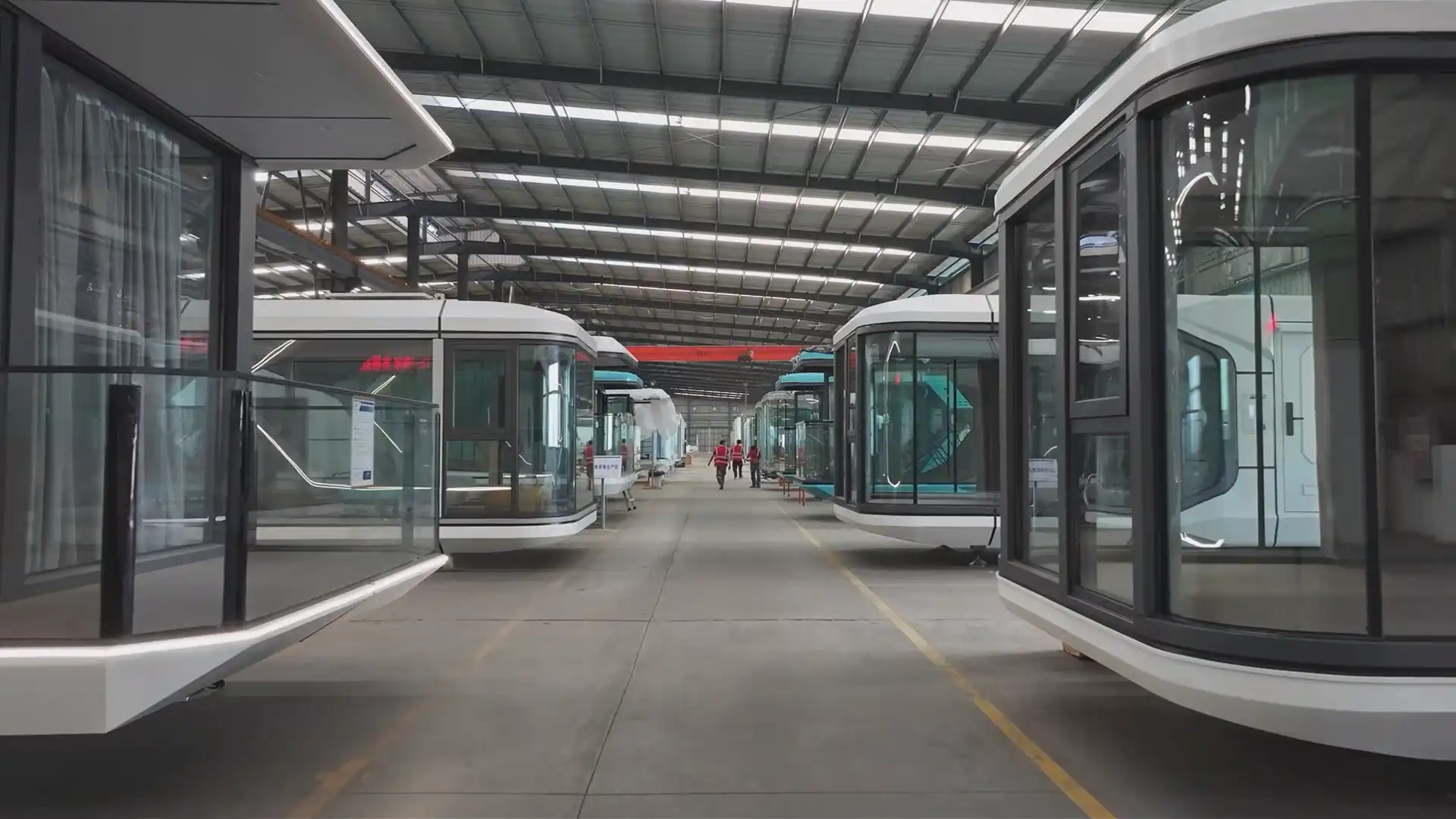
A capsule house, also known as a "micro-home," is a residential unit designed with a minimalist and compact philosophy. It typically consists of a fully functional small living space, including essential amenities such as a bed, storage, and a bathroom. The design of a capsule house focuses on maximizing the use of every square inch of space, providing residents with a comprehensive living experience that is particularly suitable for urban environments where space is limited.
The appearance of a capsule house is often that of a small, enclosed "capsule," resembling a tiny, self-contained pod. The design may include smart control systems, efficient storage solutions, and facilities that meet basic living needs. Due to its small size, a capsule house can provide comfortable living spaces on limited plots of land, making it a highly practical solution for modern city living.
2. Why Have Capsule Houses Gained Popularity in Recent Years?

Accelerating Urbanization and Scarcity of Land Resources
As urbanization continues to advance, especially in major cities, land resources are becoming increasingly scarce and expensive. Traditional housing models often struggle to meet the housing demands of a densely populated urban population. Capsule houses offer a practical solution to this problem by utilizing limited land area efficiently, providing a compact and affordable housing option in areas where space is at a premium.
Increasing Demand for Personalization and Flexibility
With the growing emphasis on individuality, flexibility, and self-expression in modern society, more people are seeking housing options that can be customized to suit their unique lifestyles. Capsule houses offer great flexibility and can be tailored to meet the specific needs of each resident. The interior layout and functionality can be adjusted based on personal preferences, making them an appealing choice for those seeking a more personalized living space.
Popularity of Minimalist Lifestyles
In recent years, the minimalist lifestyle has gained significant traction, with more people focusing on reducing material possessions and embracing a simpler way of living. Capsule houses align perfectly with this trend, offering compact, efficient spaces that prioritize functionality and practicality. For many, living in a capsule house represents not just a place to live, but a lifestyle choice that reflects efficiency, sustainability, and a focus on essentials.
Environmental Sustainability and Green Living
In the face of growing environmental concerns, sustainability has become a key consideration in housing design. Capsule houses, with their energy-efficient design, low-carbon footprint, and use of eco-friendly materials, are well-suited to meet the demand for sustainable living. By adopting recyclable materials, energy-saving appliances, and smart home systems, capsule houses offer an environmentally responsible solution to modern housing needs.
3. Challenges of Capsule Houses
While capsule houses have many advantages in terms of design and technology, there are still several challenges and obstacles to their widespread adoption:

Space Limitations
The most notable feature of a capsule house is its small size, which can present challenges in terms of the living experience. While designers optimize the space to maximize its functionality, the compact nature of these homes may feel confining or uncomfortable for some individuals. This can be especially true for families or people with larger living needs, who may find capsule houses unsuitable for their lifestyle.
Living Comfort
Given the small size, the comfort level of a capsule house can sometimes be limited. While modern amenities and efficient designs can enhance comfort, living in a small, enclosed space for extended periods may affect one's physical and mental well-being. Issues such as ventilation, natural lighting, and air circulation can be more difficult to address in such tight quarters.
Legal and Social Challenges
In many countries and regions, the legality and social acceptance of capsule houses remain uncertain. Local building codes and land-use regulations may not permit such compact housing units as legal residences. Additionally, since capsule houses are still a relatively new housing model, their widespread adoption faces barriers in terms of market acceptance and public perception.
Cost Issues
Despite their small size, the initial construction and setup costs of a capsule house can be relatively high due to the use of advanced technology, smart systems, and eco-friendly materials. Moreover, the demand for capsule houses is still in its infancy, meaning that the return on investment for such projects may take longer. This creates financial pressures for developers and investors, hindering their broader adoption.
4. Future Outlook
Despite the challenges, the future of capsule houses remains promising. As technology evolves and lifestyles continue to change, capsule houses may become an increasingly popular choice for urban living, especially in the following areas:

Urban Compact Housing Solutions
In densely populated cities such as Tokyo, New York, and London, capsule houses offer an ideal solution for tight housing markets. As urban development continues, capsule houses are expected to become more common, providing affordable and efficient living options in crowded urban centers.
Travel and Short-Term Housing Markets
Capsule houses also have significant potential in the travel and hospitality industry. With innovative designs and optimized space, capsule houses can offer a unique and cost-effective lodging experience for travelers. The flexibility of these units also makes them an ideal choice for temporary accommodations, such as short-term rentals or mobile housing options for workers in specific industries.
Sustainable and Green Architecture
As sustainability continues to be a global priority, capsule houses are well-positioned to play a key role in the future of green living. By incorporating energy-efficient systems, sustainable materials, and space-saving technologies, capsule houses can offer an eco-friendly alternative to traditional housing models. This makes them an appealing choice for environmentally conscious consumers and developers.
5. Conclusion
Capsule houses, as an innovative housing model, have gained increasing attention worldwide. They not only address urban housing challenges but also represent a new way of living that emphasizes efficiency, sustainability, and personalization. While there are challenges to overcome, such as space limitations and legal issues, the future of capsule houses looks bright. As technology, design, and social perceptions evolve, capsule houses are likely to become a more mainstream and accepted housing solution in the coming years.
Astroboat Modular Capsule House | Prefab Pods for Fast, Low-Cost Building
Discover the Astroboat modular capsule house—easy shipping, fast installation, and high-strength prefabricated pods for resorts, glamping, commercial and housing projects.
2025-11-21
A future way of life.
Explore our amazing models.
Become the world's leading Professional capsule house manufacture and to create a better future.
Your Primary Capsuele House Manufacturer in China.
Contact Us
No. 611-619, Fuhua Industrial Park, Jiangmen City, Guangdong , China.